Reflections from INETTT’s Renewables in Energy Transitions Training in Istanbul
A week of learning and skills sharing on renewable energy and its role in building sustainable energy systems.
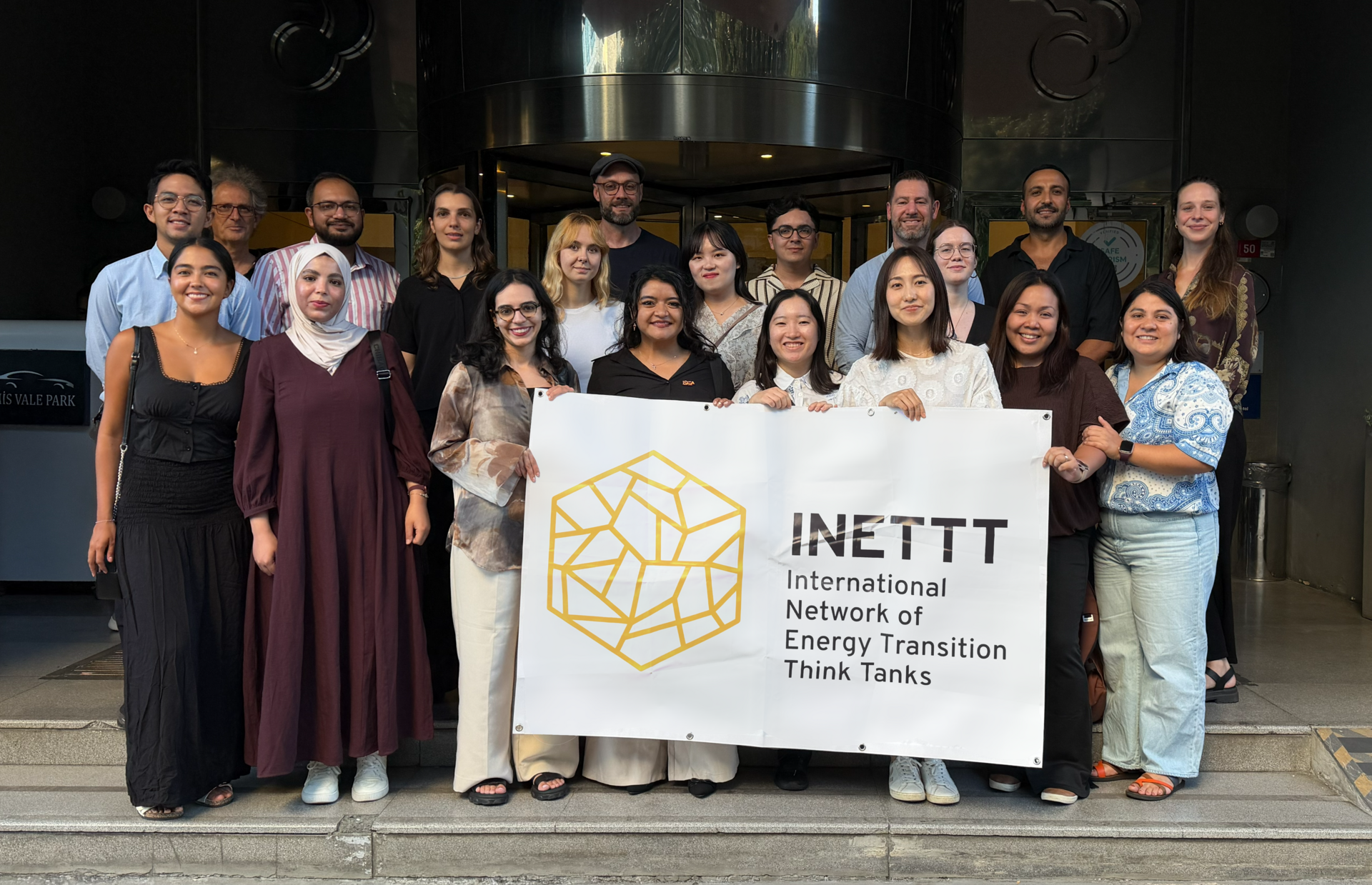
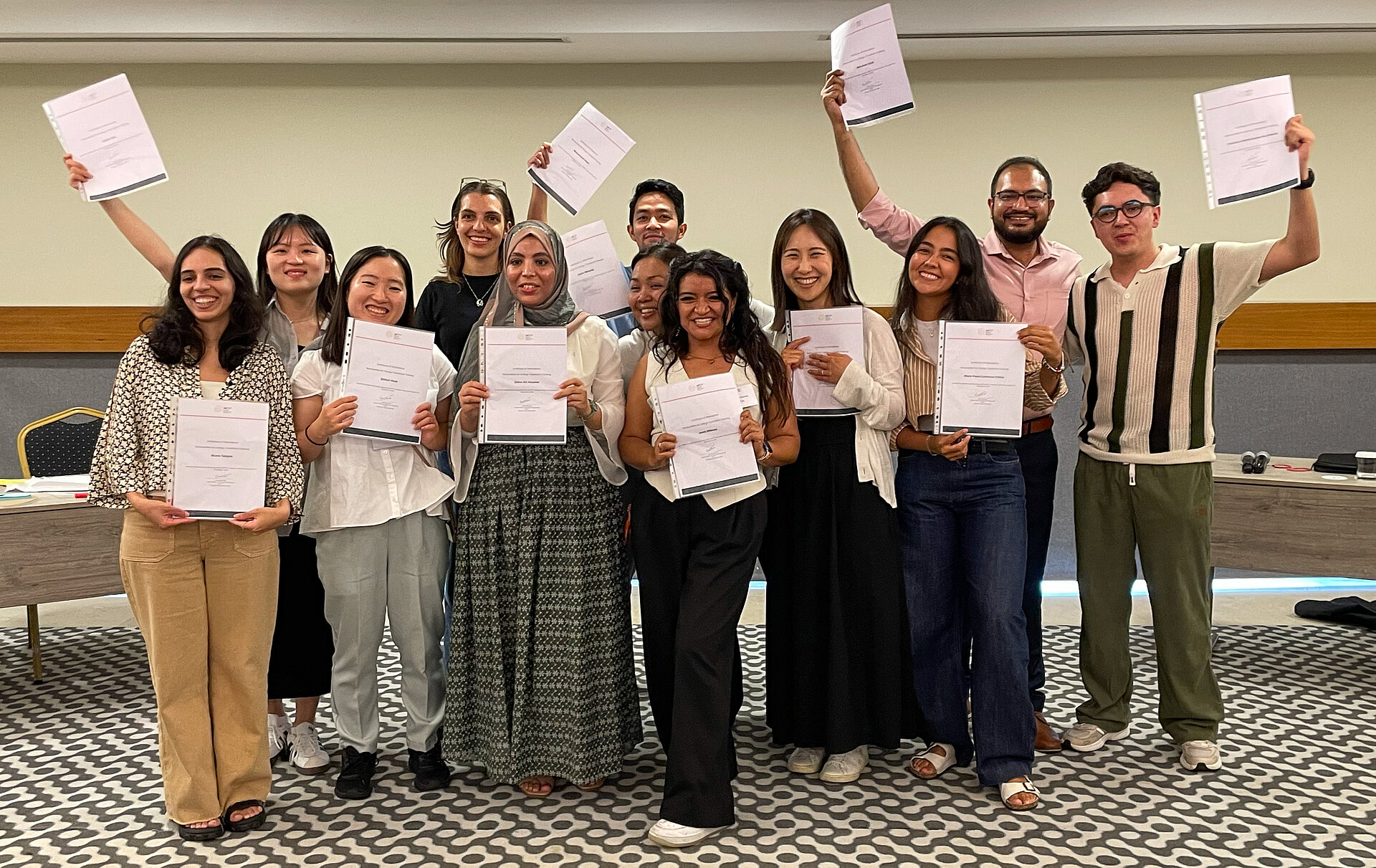
In September, INETTT organised a five-day in-person training in Istanbul, bringing together 14 mid-level professionals from its member think tanks and 12 countries to explore the energy system in depth.
Designed to equip participants with a holistic understanding of energy transitions, the programme combined interactive exercises, group discussions and expert-led sessions to explore how technology, policy, economics and society intersect in shaping sustainable energy futures.
The programme
- Day 1: Foundations of energy systems
The training began by developing a shared understanding of energy systems, covering fundamental concepts such as primary vs final energy and the power system’s role in balancing electricity demand and supply.
Participants examined how power grids maintain reliability, flexibility, and stability, especially as the share of renewables increases. Key questions of the day included: What are the opportunities and challenges of integrating more renewables? How do we ensure grid stability with higher shares of variable energy sources?
- Day 2: The decentralised energy revolution and electricity markets
Day two focused on the global shift toward decentralised energy, exploring self-consumption and grid-feeding trends worldwide, as well as how markets evolve to match the variability of wind and solar. A case study on Pakistan’s rooftop solar boom highlighted both its transformative impact and grid challenges.
The discussion then turned to electricity markets, wholesale markets, merit order, and cannibalisation effects. In the afternoon, the session addressed limitations in current market structures for incentivising renewables and the need for long-term power purchase agreements (PPAs) to support renewable energy integration.
- Day 3: The role of regulation in energy transitions
Regulation in the electricity sector was the central theme of day three, led by the Regulatory Assistance Project (RAP). Participants explored key regulatory concepts and terminology, including cost-based vs performance-based regulation and the advantages and disadvantages of different regulatory models. They then applied their knowledge to their own countries’ regulatory frameworks, identifying strengths and gaps in supporting energy transitions.
- Day 4: Socio-economic dimensions of energy transitions
Shifting from technical and market perspectives, day four examined energy transitions through a socio-economic and socio-political lens. Attendees explored the three socio-economic pillars (equitable, just, and inclusive) and discussions focused on the need to link bottom-up approaches with central electricity planning for holistic transitions.
- Day 5: Communicating energy transitions effectively
The final day focused on strategic communications, helping participants refine how they convey complex energy concepts to diverse audiences. From framing messages for policymakers, industry and the public to the power of narratives in shaping energy discourses, they explored the role of communications in advancing policy opportunities for energy transitions via interactive and peer-learning formats.
This week provided a unique opportunity for INETTT members to come together, exchange ideas, learn from diverse perspectives on energy transitions across regions and forge new connections. By combining technology, market design, regulation, socio-economic factors and communication strategies, the programme equipped participants with the tools to drive meaningful change in their respective countries.
Special thanks to all trainers and participants for their engagement, expertise, and commitment to advancing energy transitions worldwide.
Visit the upcoming events section for updates on future training sessions.