
PyPSA – Hydrogen Training concludes in Casablanca
Building skills in energy system data and energy models for evidence-based policy recommendations supporting the energy transition.
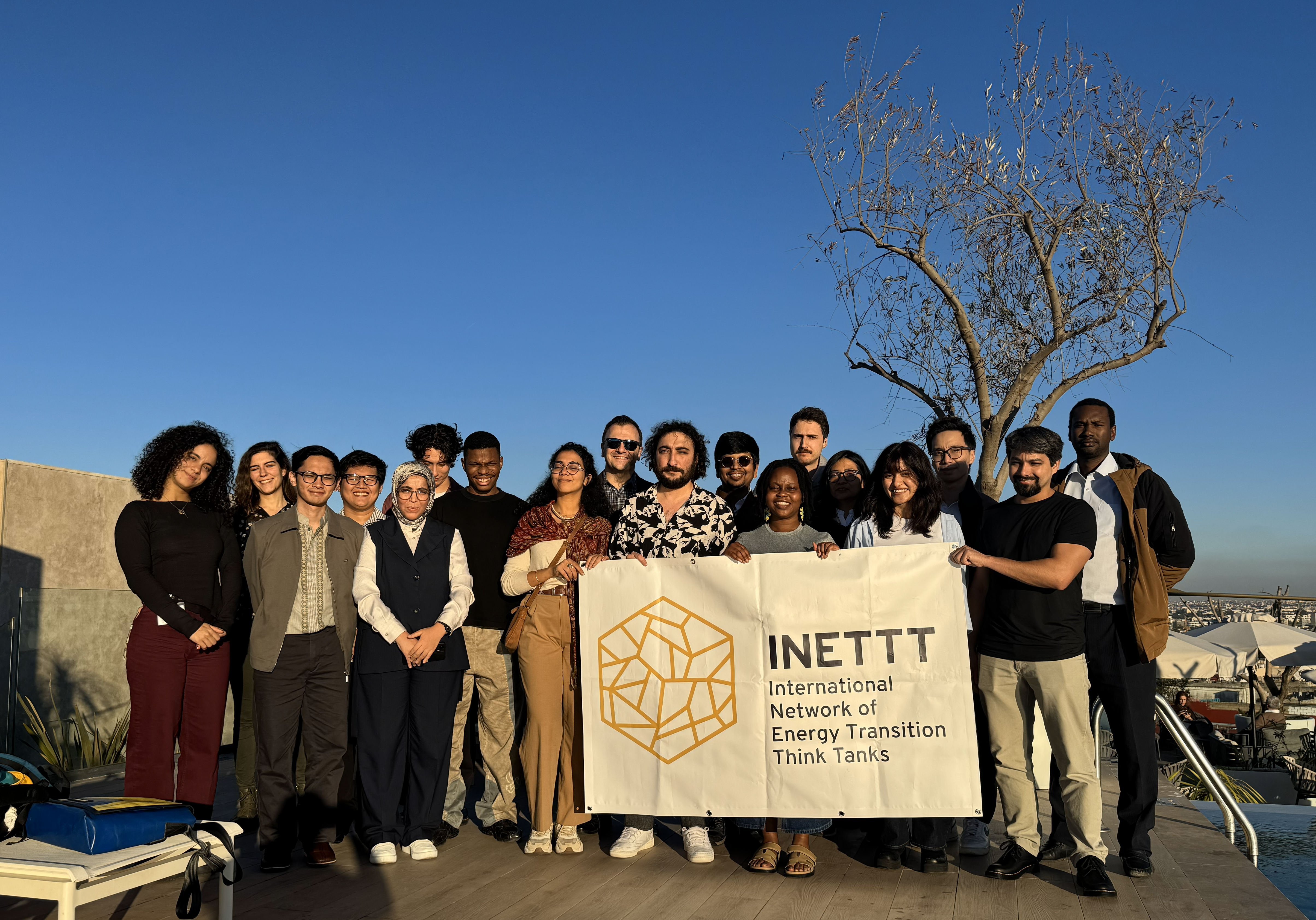
From 25–28 November 2025, INETTT members came together for a 4-day training on PyPSA – Hydrogen.
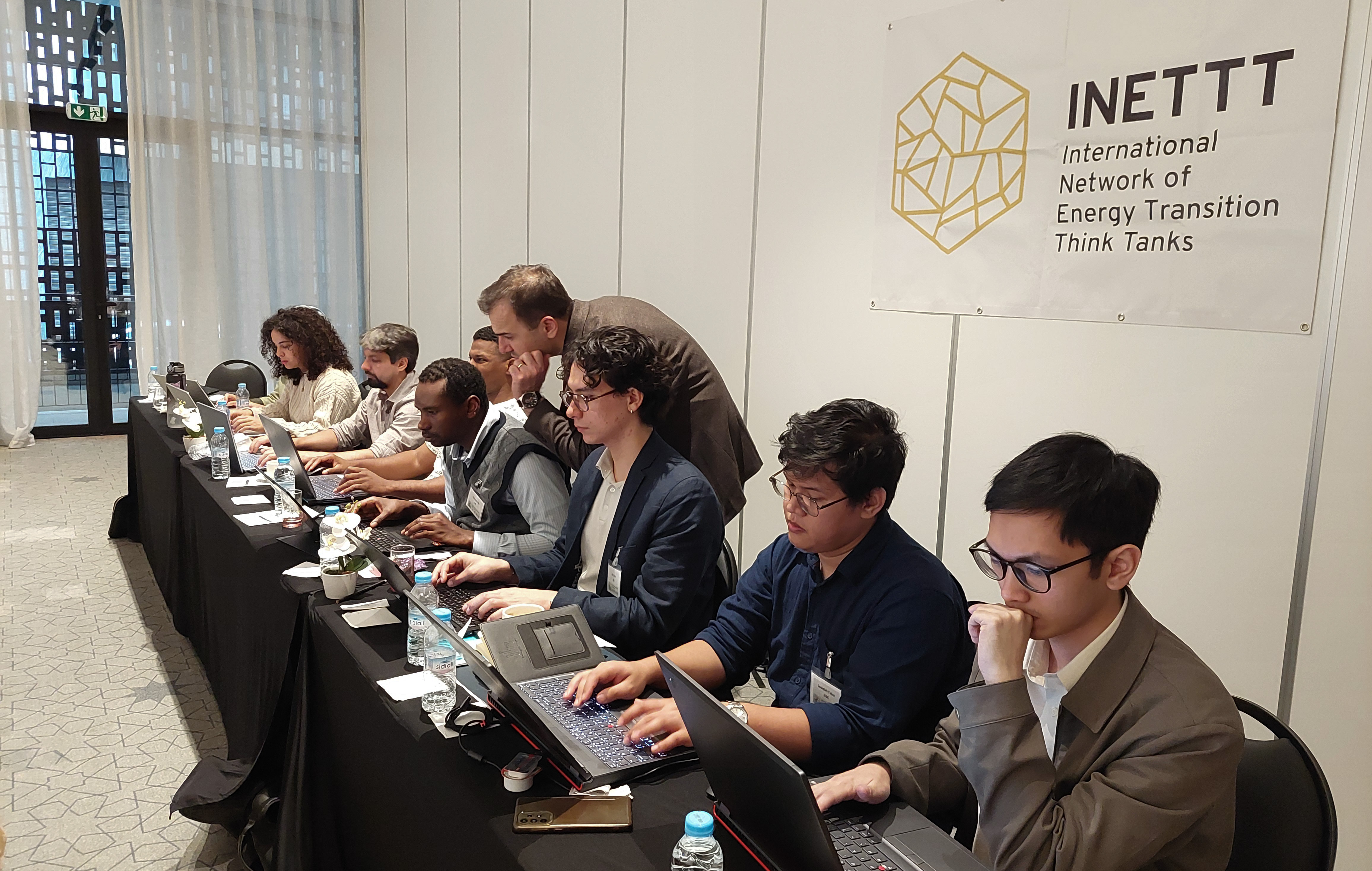
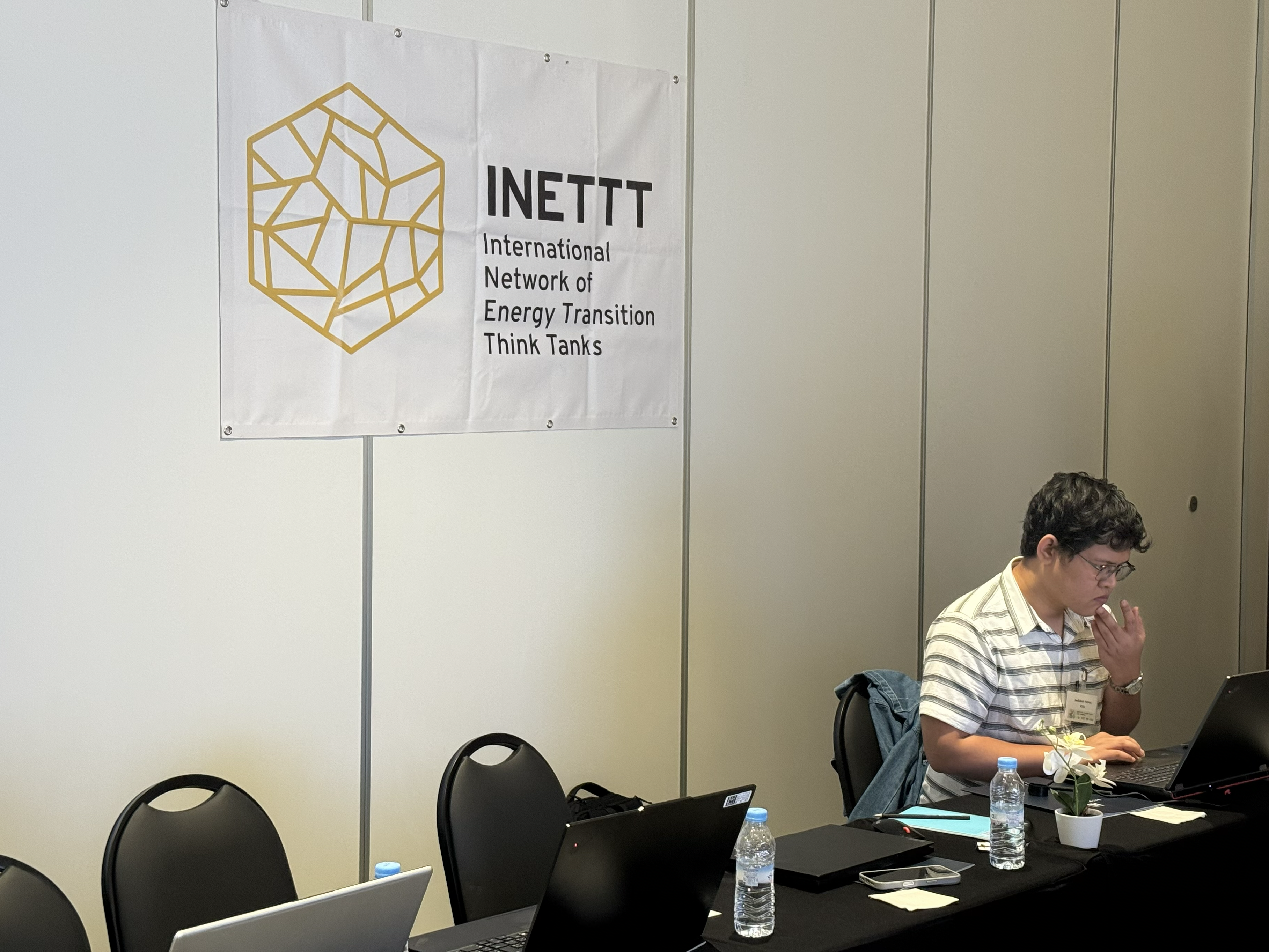
12 participants from 8 countries joined us in Casablanca, Morocco, to learn about the PyPSA (Python for Power System Analysis) framework for energy system modelling and gain practical skills to develop hydrogen production models. Beyond technical learning, the training focused on practical application and impact. Participants were encouraged to approach the programme with a product development mindset and to develop a green hydrogen modelling tool relevant to their own country or region.
The training was delivered by Agora Energiewende’s Energy and Data Modelling Team, hosted by the local INETTT member Imal Initiative for Climate and Development and organised by the INETTT Secretariat within the frame of its Data Working Group.


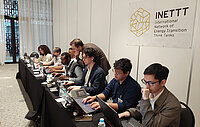


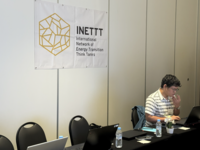
The programme
- Day 1: To start, participants learned about PyPSA components and the fundamental concepts of cost optimisation modelling.
- Day 2: To further establish common ground, participants explored how to use PyPSA, a flexible framework for modelling and optimising modern energy systems, to then implement a simplified energy system model for green hydrogen production.
- Day 3 & 4: Then it was time for the Hackathon! Participants broke out in small teams to develop a country-specific hydrogen production model using the PyPSA framework. With continuous support from the trainers, participants finalised their projects and presented their work at the end.
Hackathon projects developed during the training
- The Philippines: Used PyPSA to model the costs associated with switching from diesel generators to renewable energy in off-grid Filipino islands.
- Brazil: Evaluated the feasibility of deploying a polysilicon production plant in Brazil, using PyPSA to model the optimal mix between grid electricity and dedicated off-grid renewable electricity.
- Japan: Used PyPSA to model a hydrogen microgrid in Hokkaido, accounting for additional renewable energy required for hydrogen Direct Reduced Iron (DRI) production.
- Mexico and South Africa: Evaluating the costs of a green steel transition in Nuevo León, Mexico’s most industrialised state.
- Germany and Italy: Modelling the trade-offs between reinforcing power grid infrastructure to address the energy demand/generation gap between North and South Germany, or using hydrogen storage and pipelines instead.